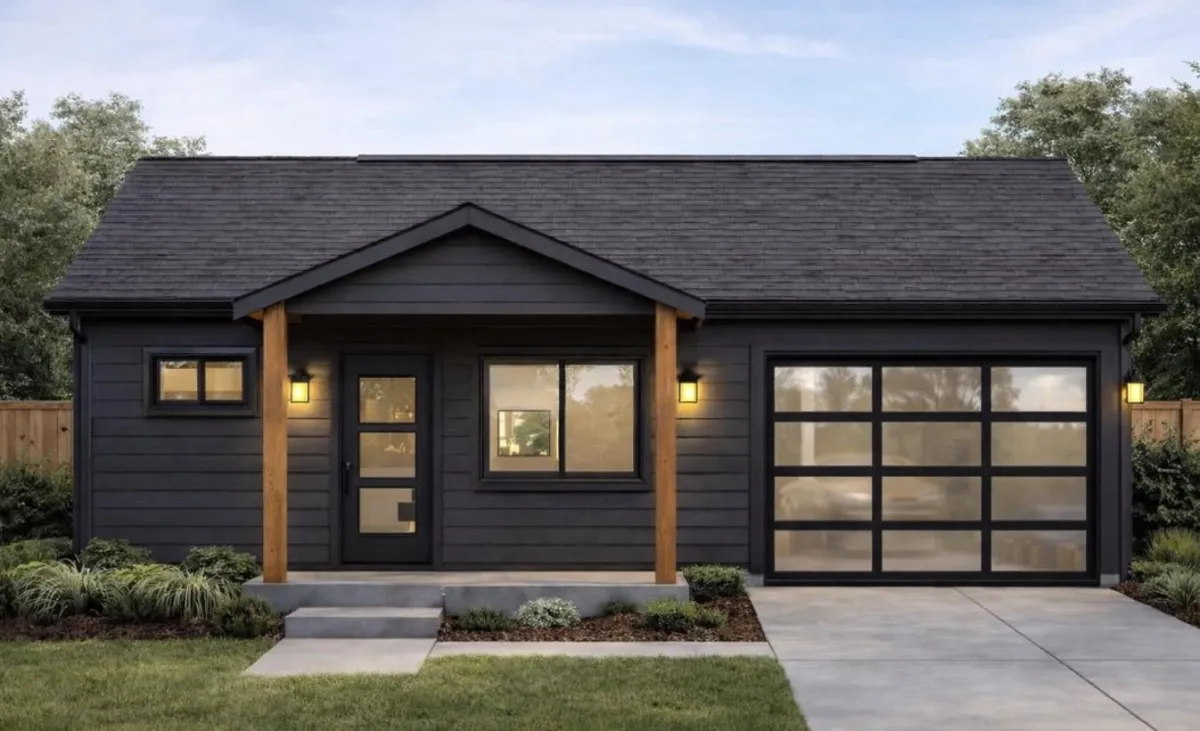
How Much Does it Cost to Build a DADU In Tacoma?
How Much Does It Cost to Build a DADU in Tacoma, WA in 2026?
Most turnkey DADU projects in Tacoma in 2026 should be budgeted as a six-figure investment: lower six figures for small, simple units on flat city lots; middle six figures for many full turnkey builds; and higher six figures for larger custom homes, steep sites, septic properties, or major utility work.
Those numbers are estimates, not guarantees. Your actual cost depends on the property, design, utilities, access, permitting path, finishes, and whether the lot has conditions that require extra engineering or site work. A realistic budget for DADU construction in Tacoma has to look beyond the building itself and include feasibility, design, permits, utility connections, inspections, and long-term ownership costs.
Tacoma DADU is Pierce County’s premier turnkey DADU and ADU design-build contractor, serving Tacoma, University Place, Lakewood, Puyallup, Gig Harbor, Sumner, and surrounding Pierce County communities. Owner Matt Rody is a Tacoma native, and the company was built around a clear local need: helping homeowners create more flexible housing while making informed financial decisions. You can learn more about backyard housing options in the ADU vs DADU guide.
What Factors Affect the Total Cost of a DADU in Tacoma?
Every Tacoma or Pierce County DADU budget breaks into several major cost categories:
Feasibility, design, and planning
Structural engineering
Building permits and jurisdictional fees
Site preparation
Utility connections
Foundation, framing, roofing, siding, and windows
Plumbing, electrical, mechanical, and insulation
Interior finishes
Inspections and final closeout
Yard repair around the disturbed construction area
Design and engineering are usually a smaller share of the total cost than construction, but they are essential because they determine whether the project can be permitted and built correctly. Permits and fees can feel significant early in the process, but the structure, systems, utilities, labor, and finishes usually make up the majority of the final investment.
Lot conditions are one of the biggest cost variables. A flat Tacoma city lot with alley access may be much easier to build on than a steep parcel near Puyallup, a wooded site in Gig Harbor, or a property in unincorporated Pierce County with septic constraints. Access also matters. If crews can easily bring in materials and equipment, construction is more efficient. If the side yard is narrow, overhead lines are in the way, or staging space is limited, labor time can increase.
Size also affects the budget, but not always the way homeowners expect. Smaller DADUs often have a higher cost per square foot because design, permitting, trenching, inspections, and utility work do not shrink in the same proportion as the floor plan. The Washington State Department of Commerce reported in a 2022 ADU study that detached ADUs in Washington were often around 650 to 800 square feet and commonly had a higher cost per square foot than primary homes because fixed soft costs and infrastructure costs are spread over fewer square feet.
Finish level is another important factor. Durable, standard finishes may support a strong rental outcome without overbuilding. Premium cabinetry, specialty tile, custom windows, upgraded fixtures, or highly customized layouts can raise cost quickly. The right choice depends on whether the DADU is intended for family, long-term rental income, aging parents, a future resale strategy, or a mix of uses.
How Much Do DADU Permits Cost in Pierce County?
DADU permit costs vary by jurisdiction, but most Tacoma and Pierce County projects include several permit-related expenses:
Building permit and plan review
Plumbing permit
Mechanical permit
Electrical permit
Utility inspection or connection fees
Possible school, transportation, or impact-related fees depending on the jurisdiction
Health department review if the property uses septic
Tacoma, Lakewood, University Place, Puyallup, Gig Harbor, Sumner, and unincorporated Pierce County may each handle permit review and fee calculations differently. That is why the exact permit cost should be confirmed during early feasibility rather than assumed from another homeowner’s project.
HB 1337 changed the ADU and DADU conversation across Washington by requiring many local jurisdictions to update their accessory dwelling unit rules. Washington State Legislature HB 1337 bill reports noted that many cities and counties adjusted ADU rules and fee structures between 2023 and 2024. For homeowners, one of the practical effects is that certain impact fees and parking requirements have been relaxed or limited for qualifying ADUs and DADUs, making many projects more workable than they were before 2025.
That does not mean permits are free or that every lot is simple. Permit and review fees still need a clear line in the project budget. Utility connection requirements, stormwater review, septic review, and site-specific corrections can still affect the total cost. The goal is to identify those requirements early so they do not become a surprise after design work is already underway.
What Does Site Preparation and Utility Connection Add to the Cost?
Site preparation can be simple or substantial depending on the property. A cleared, level Tacoma backyard may need only limited grading and access preparation. A sloped, wooded, or constrained Pierce County lot may require much more work before construction can begin.
Common site preparation items include:
Removing brush, old sheds, fencing, or debris
Tree pruning or tree removal where allowed
Grading and minor recontouring
Temporary access paths for workers and materials
Drainage improvements
Small retaining walls
Soil work or erosion control
Protection of existing landscaping, fences, or neighboring property
Utility work is often one of the least visible but most important cost categories. A DADU needs safe, permitted connections for water, sewer or septic, electricity, and often stormwater handling. Depending on the property, this may include trenching from the main house, trenching from the street, upgrading an electrical panel, replacing an aging sewer lateral, or meeting stormwater requirements.
Older homes in Tacoma and Pierce County may have infrastructure that was never designed for a second dwelling. If the main electrical panel is undersized, if the sewer line is old, or if water service needs to be evaluated, those items can add cost and time. They are not cosmetic upgrades; they are part of making the DADU legal, safe, and ready for long-term use.
For septic properties, utility planning becomes even more important. A property in unincorporated Pierce County or parts of Gig Harbor may need a septic evaluation before design can move forward. If the system lacks capacity or the drain field limits the DADU location, the project may require system expansion, upgrades, or a different design approach.
How Does Lot Size and Affect DADU Construction Costs in Pierce County?
Lot size matters, but buildable area matters more. A large lot is not automatically easy to build on if setbacks, slopes, septic drain fields, critical areas, trees, easements, or access limitations reduce the usable space. A smaller Tacoma lot may still work well if the zoning, access, and utility routes are clear.
What Is Included in a Turnkey DADU Build vs. What Costs Extra?
A true turnkey DADU build generally means one team manages the project from early planning through completion. For Tacoma DADU, that one-stop-shop approach is a key part of the service: design, permitting, and construction are handled together instead of forcing homeowners to coordinate separate designers, engineers, permit consultants, and builders on their own.
A turnkey DADU scope typically includes:
Initial consultation
Lot feasibility assessment
Custom DADU design
Structural engineering
Permit preparation and navigation
Municipal compliance support
Site preparation related to the DADU
Utility connections related to the DADU
Full construction
Standard interior and exterior finishes
Final inspections
Basic repair of areas disturbed by construction
Some items are usually outside a standard turnkey scope unless they are specifically included in the contract. These may include:
Luxury or highly customized finishes
Major landscaping redesigns
Large patios, outdoor kitchens, or extensive hardscaping
Large remodels to the main house
Major utility upgrades that primarily serve the existing home
Unexpected septic upgrades
Repairs to pre-existing main-house issues discovered during review or inspection
This distinction matters when comparing bids. One contractor may appear less expensive because the proposal leaves out design, permit navigation, utility work, or finish details. Another may include more of the true project scope. Homeowners should compare what is actually included, not just the first number they see.
What Are the Ongoing Costs of Owning a DADU as a Rental Property in Tacoma?
Common ongoing costs include:
Higher property taxes
Insurance adjustments
Utilities
Maintenance and repairs
Yard care
Vacancy periods
Property management if the owner does not self-manage
Long-term replacement reserves for roofing, paint, appliances, flooring, and mechanical systems
Building a legal, permitted DADU usually increases assessed value because the property now has additional finished living space. Pierce County Assessor-Treasurer reports showed countywide residential assessed values increased by roughly 18% to 20% over several recent revaluation cycles, depending on the neighborhood. A new DADU can contribute to assessed value growth, and the tax impact may appear after the assessor processes the completed improvement.
If the unit is rented, property management is another decision. Some owners self-manage to preserve cash flow. Others hire a professional manager, often for a percentage of monthly rent that varies by firm and market. Owners should also set aside reserves for maintenance instead of treating gross rent as net income.
The Urban Institute has reported in national rental housing analyses that small rental units in metro areas often see vacancy rates several percentage points lower than larger rentals. While every Tacoma neighborhood is different, that broader pattern aligns with the demand many Pierce County homeowners see for smaller, private, well-located rental homes.
How Can a Tacoma DADU Create Return on Investment?
A DADU should be evaluated as both a cost and a financial opportunity. The return can come from monthly rental income, long-term property value growth, more flexible family housing, and greater resale appeal.
Rental income depends on the exact location, size, layout, finishes, parking, privacy, and condition of the unit. A well-designed one-bedroom DADU in Tacoma may compete favorably with older apartment options because tenants often value a separate entrance, more privacy, and a neighborhood setting. Studios may produce less total rent than one-bedroom units, but they can still perform well on a rent-per-square-foot basis when the location and design are strong.
Property value is another part of the return. Legal, permitted living space generally gives future buyers more options. The National Association of Realtors has consistently connected additional usable living space with stronger buyer interest and resale value, especially when that space can support multigenerational living, guest space, or rental income.
The time it takes to recoup the investment varies. A homeowner using the DADU for family flexibility may measure value differently than an investor focused on cash flow. A long-term owner may benefit from both rent and appreciation over time, while a short-term holder may need a more conservative analysis. The most useful ROI estimate starts with a realistic build budget, current Tacoma rental comparables, expected expenses, tax impact, financing costs, and the owner’s planned hold period.
How Should Tacoma Homeowners Take the Next Step?
A Tacoma DADU in 2026 is a significant investment, but for many Pierce County homeowners it can create rental income, flexible family space, and long-term property value. The strongest projects begin with a clear understanding of the lot, the budget, the permitting path, and the owner’s goals.
Tacoma DADU and owner Matt Rody bring a local, relationship-first approach to that process. Matt is a Tacoma native, and Tacoma DADU has over 40 years of homebuilding experience in the Puget Sound, a 4.9-star Google rating, and a one-stop-shop model that covers design, permitting, and construction. Matt personally works with homeowners, investors, and families to understand what their specific property allows and what a realistic budget looks like. You can explore more homeowner resources on the Tacoma DADU blog.
What Questions Do Tacoma Homeowners Ask About DADU Costs?
How Much Does a DADU Cost to Build in Tacoma?
Most turnkey DADU construction in Tacoma should be treated as a six-figure investment. Smaller, simpler units on flat city lots are typically on the lower side, while larger custom builds, steep lots, septic properties, or major utility work can move the project much higher. The only responsible estimate is one based on your specific Pierce County property and scope.
Does Pierce County Charge Impact Fees for DADUs?
Pierce County and local cities have updated many ADU and DADU rules in response to HB 1337, which limits or removes certain fees for qualifying projects. Permit, utility, and review costs can still apply. Homeowners should confirm the current fee structure for their exact jurisdiction during feasibility.
How Long Does It Take to Build a DADU in Tacoma From Start to Finish?
A typical DADU timeline includes feasibility, design, engineering, permitting, construction, inspections, and final closeout. Straightforward Tacoma city lots usually move faster than steep, septic, or highly regulated Pierce County properties. The total schedule depends on jurisdiction review times, design complexity, material availability, and site conditions.
Can I Finance a DADU Build in Washington State?
Many homeowners use cash-out refinancing, home equity lines of credit, renovation loans, or construction loans to finance a DADU. Each lender has different requirements, and not all lenders evaluate ADU or DADU projects the same way. It is wise to speak with a lender familiar with Tacoma-area accessory dwelling units before finalizing the project budget.
Does Building a DADU Increase My Property Taxes in Pierce County?
Yes, adding permitted finished living space usually increases assessed value, which can increase property taxes. The Pierce County Assessor typically updates valuations after new construction is reported, and the tax impact may not appear immediately. Most owners compare this added cost against expected rent, equity growth, and long-term flexibility.
How Much Rental Income Can a DADU Generate in Tacoma?
Rental income depends on the DADU’s size, location, parking, privacy, finishes, and current market conditions. Well-located Tacoma DADUs can be attractive because tenants often value a detached home, separate entry, and neighborhood setting. Reviewing current Tacoma rental comparables is the best way to model realistic cash flow.
What Is Included in a Turnkey DADU Build?
A true turnkey DADU build usually includes feasibility, custom design, structural engineering, permit navigation, construction, standard finishes, inspections, and basic repair of areas disturbed by construction. Tacoma DADU’s model is built around handling design, permitting, and construction with one team. Luxury finishes, major landscaping, large main-house remodels, or unexpected utility upgrades are usually priced separately.
Is It Worth Building a DADU in Tacoma Right Now?
For many homeowners, a DADU can be worth it because it combines rental income, family flexibility, and long-term property value in a market with limited housing supply. HB 1337 and updated local rules have made many projects more feasible than they were before 2025. Whether it is right for you depends on your lot, budget, financing, goals, and how long you plan to hold the property.
What Happens If My Lot Has a Septic System — Can I Still Build a DADU?
Many septic properties in Pierce County can support a DADU, but the septic system must have enough capacity and the drain field must be protected. The health department may require evaluation, upgrades, expansion, or a different building location. Septic review should happen early because it can strongly affect feasibility and cost.
How Do I Get Started With Tacoma DADU?
Start with a focused conversation about your lot, goals, budget comfort zone, and intended use. Tacoma DADU can review the major feasibility questions before you invest heavily in design. Contact Tacoma DADU and Matt Rody to schedule a free lot consultation and understand what a realistic DADU plan could look like for your Pierce County property.
Get Started With Your Project Today
If you are ready to add flexible living space, our team at Tacoma DADU is here to guide your project from first idea to final inspection. We specialize in DADU construction in Tacoma that fits your property, budget, and long-term goals. Reach out to us to discuss your timeline, permitting questions, and design options so you can move forward with confidence.
