Tacoma's Premier DADU contractor

DADU GUIDE
BLog
tacoma DADu
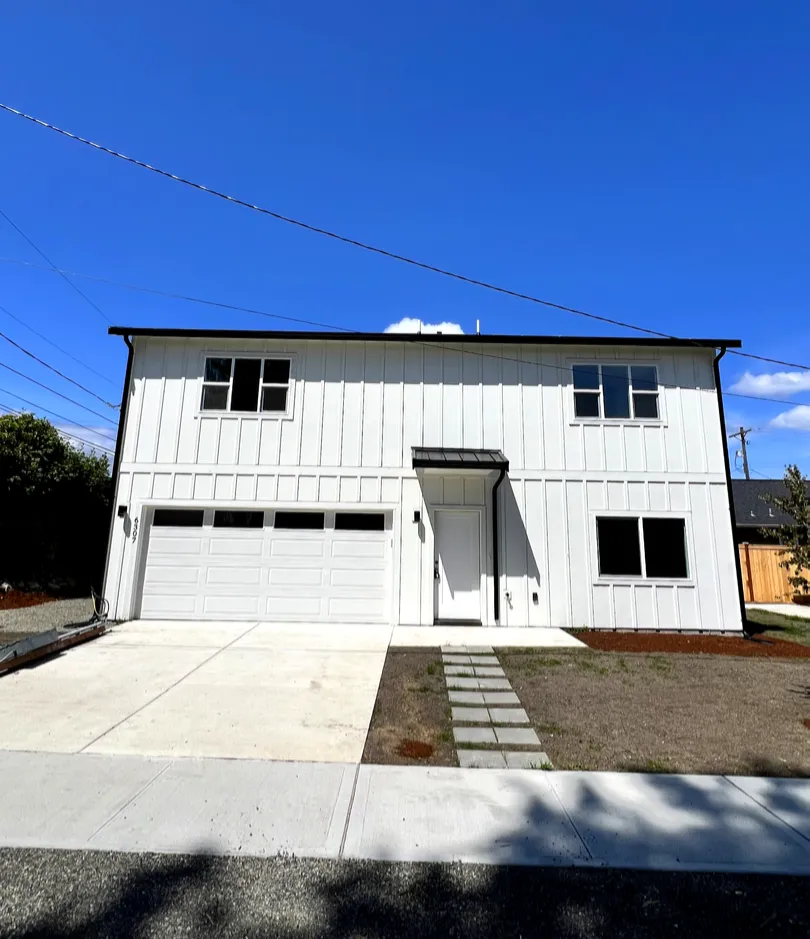
Washington HB 1337 and Your Pierce County Property
Learn how HB 1337 changes local zoning, permitting, and housing rules for a DADU in Pierce County and what it means for your property plans. ...more
Tacoma DADU Blog
June 18, 2026•14 min read
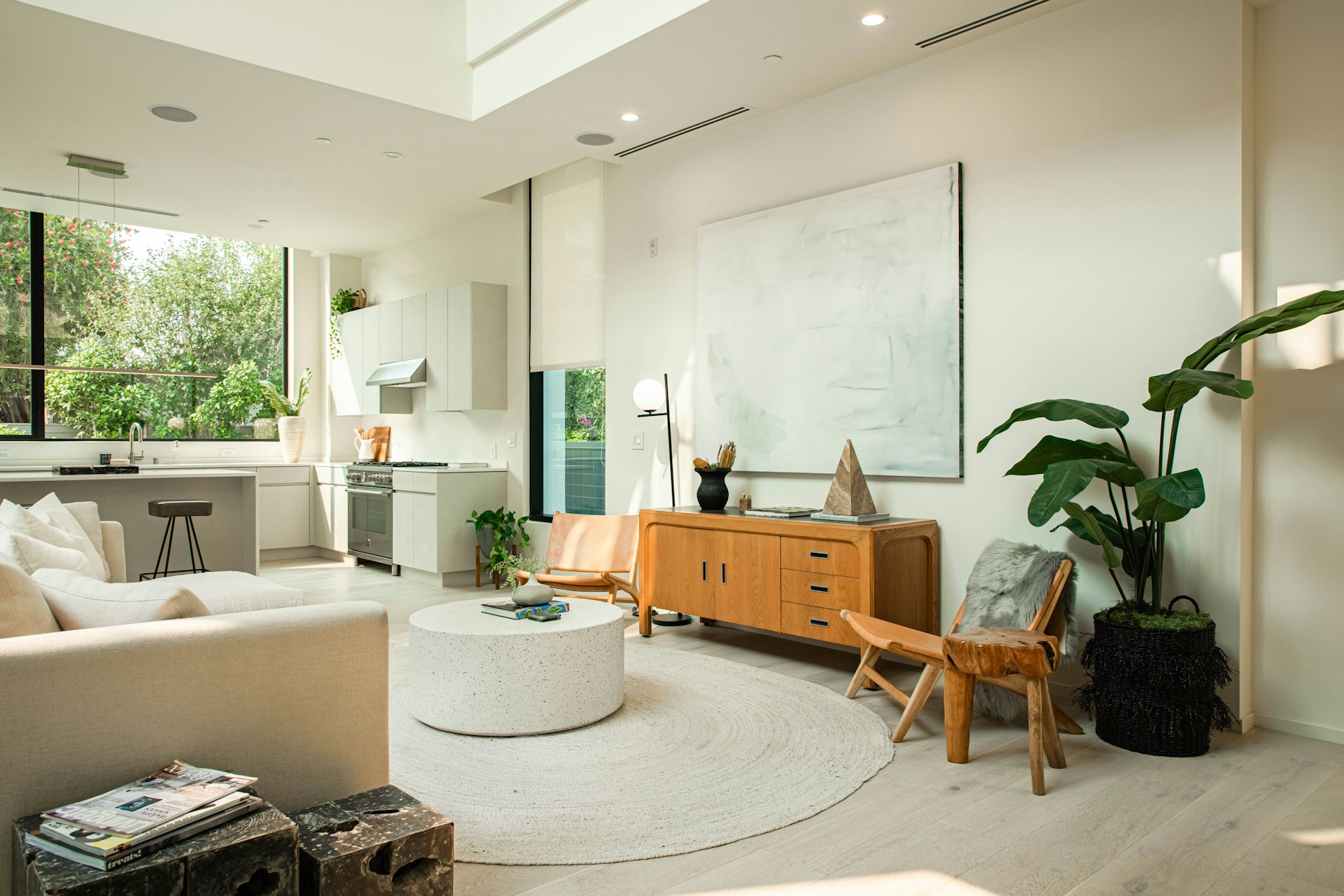
How to Finance a DADU in Tacoma, WA
Explore loans, cash out refi, and construction financing for DADU financing in Tacoma, WA, plus timelines and tips for smoother approvals. ...more
Tacoma DADU Blog
June 11, 2026•12 min read
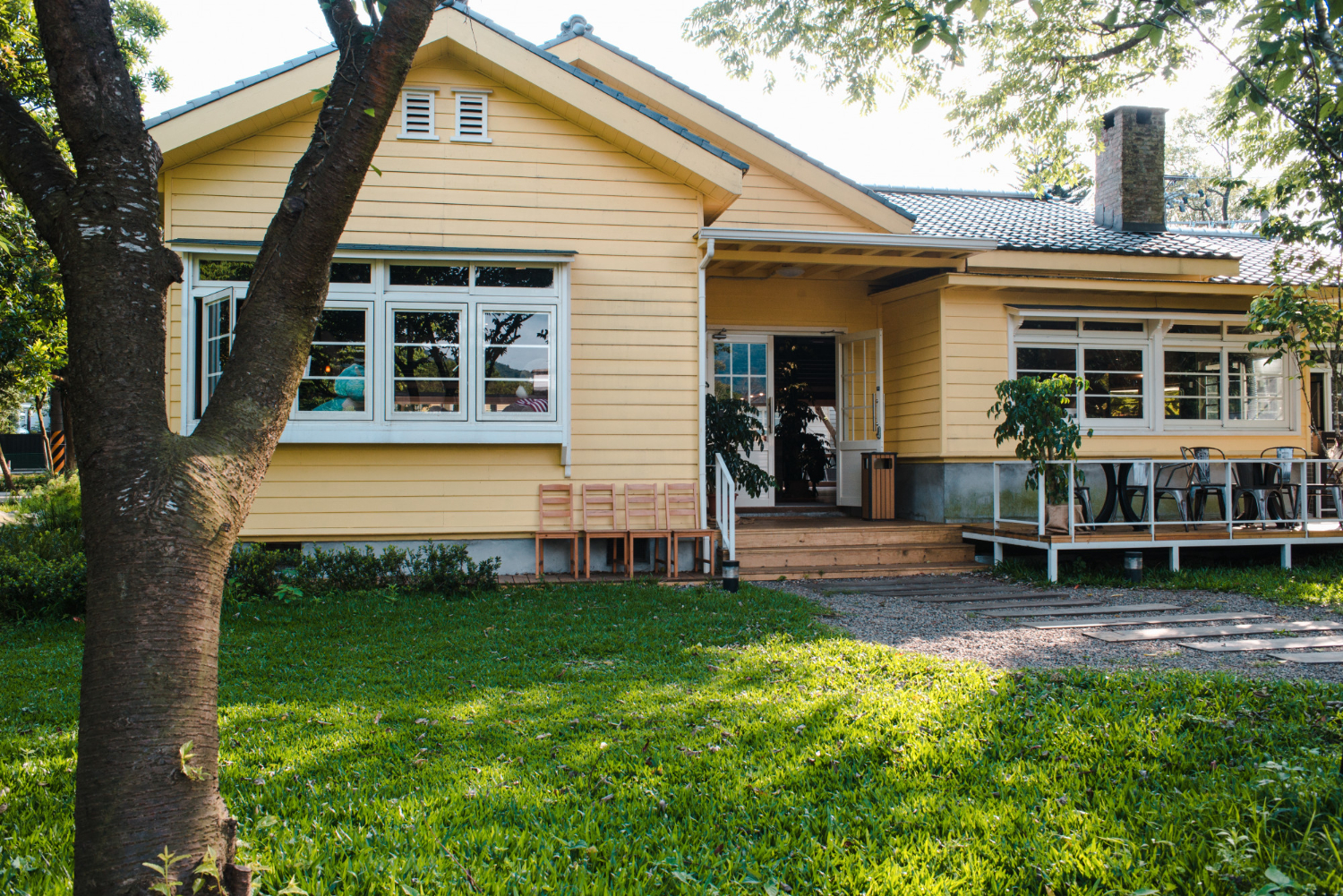
DADU vs. ADU in Tacoma, WA: How to Choose for Your Property
Compare ADUs and DADUs to pick the best layout, budget, and permitting path for your property, including DADU in Tacoma, WA options. ...more
Tacoma DADU Blog
June 04, 2026•12 min read
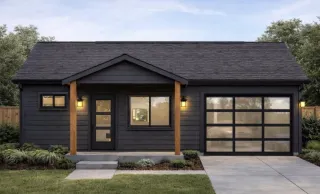
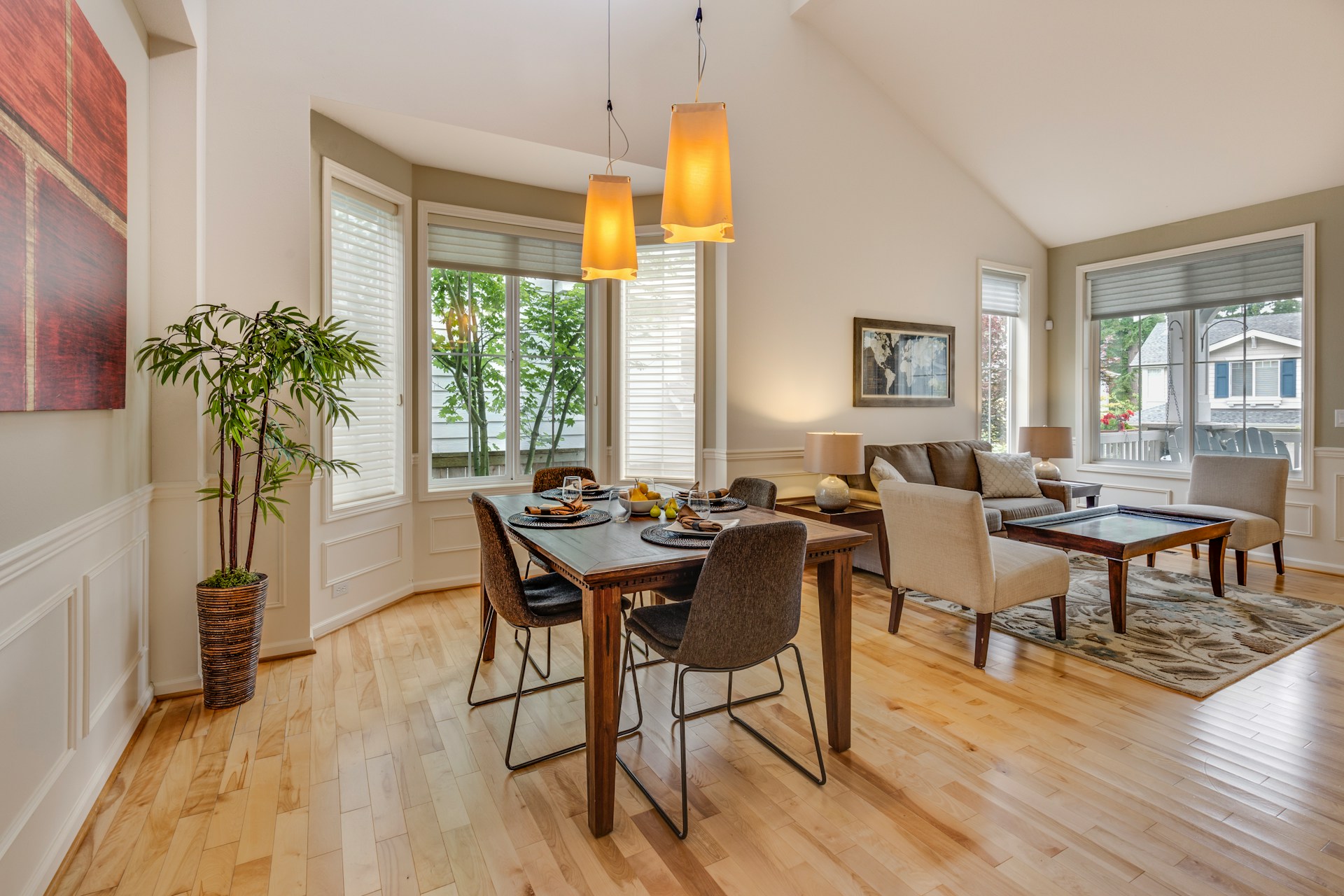
How Much Does it Cost to Build a DADU In Tacoma?
Get a clear cost breakdown, timelines, and budget tips for DADU construction in Tacoma, from feasibility and design through permits and build-up. ...more
Tacoma DADU Blog
June 01, 2026•13 min read
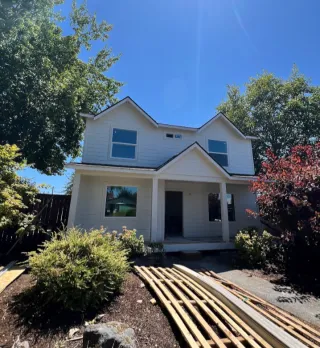
Design a Backyard Cottage for Aging Loved Ones
Support aging in place near family in Tacoma, Washington, with backyard cottage builders who create safe, comfortable spaces in your property. ...more
Tacoma DADU Blog
April 05, 2026•4 min read
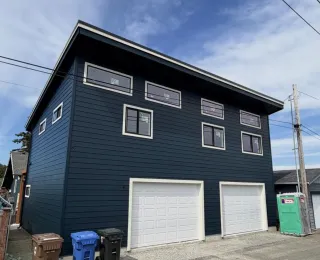
Foundation Options for Building a Backyard ADU
Learn how different foundation types affect backyard dwelling unit builders in Tacoma, from crawl spaces to basements and sloped-yard solutions. ...more
Tacoma DADU Blog
March 10, 2026•6 min read
Tacoma DADU & ADU FAQs
Answers to the most common questions homeowners ask about the process of adding a DADU unit to their property.
What is a DADU and how is it different from an ADU?
A DADU — detached accessory dwelling unit — is a fully independent structure built on your existing lot, separate from your main home. An ADU can be attached or interior. Both are legal, permitted living spaces — the difference is whether they're connected to the primary structure or freestanding.
Can I build a DADU on my lot in Tacoma?
Most single-family lots in Tacoma zoned R-1 or R-2 allow DADUs. Setback requirements, lot size minimums, and allowable square footage vary by zone. We do a free lot assessment to give you a definitive answer before any money changes hands.
How much does a DADU cost in Tacoma?
Costs vary based on model size, lot conditions, utility connections, and finish level. Our completed projects range from our compact McKinley model through to fully finished 1,000 sq ft builds. Contact us for a real number based on your specific lot and goals.
How long does it take to build a DADU in Tacoma?
From consultation to certificate of occupancy, most Tacoma projects run 10–14 months. Permit timelines at the City of Tacoma and TPU utility approval are the biggest variables — we'll give you a realistic timeline based on current conditions when we assess your lot.
What are the setback requirements for a DADU in Tacoma?
Tacoma updated its DADU setback rules in February 2025, reducing the rear setback requirement to 10 feet. Side setbacks vary by zone. We verify your specific parcel before design begins to make sure we're maximizing your buildable area.
Does Tacoma DADU handle permits?
Yes — permitting is included in our full-service process. We handle the entire City of Tacoma permit application, TPU coordination, and all required inspections through to certificate of occupancy.
Get In touch
Request a Tacoma DADU quote today
Send us a message today. We'll review your info and be in touch to discuss opportunities for your Tacoma property!
Prefer to talk through it? Call us at (253) 785-2242 and ask for a Tacoma DADU consultation.
No obligation, no pressure — we start with what’s actually buildable on your Pierce County lot. If you're not sure where to start and would like more info— give us a call, we're happy to help.
Phone: (253) 785-2242
Email: [email protected]
Tacoma DADU specializes in permitted detached accessory dwelling units (DADUs) and ADUs across Tacoma, Lakewood, University Place, and the greater Pierce County area.
Location:
Tacoma, WA 98407
Tacoma & Pierce County coverage
Tacoma
Lakewood & University Place
Puyallup & Gig Harbor
Pierce County
ID Contractor Reg #: [ID NUMBER HERE] | WA License #: [WA NUMBER HERE]