Make the Most of Your Backyard Space in Tacoma
Adding a small home on your property is one of the most practical ways to create rental income, house family, or boost resale value without buying a second property. In Tacoma, backyard homes and secondary units are becoming a go-to option for owners who want more flexibility from the lot they already have. The challenge is that there is more than one way to add that extra home, and each path comes with different rules, costs, and long-term tradeoffs.
Most Tacoma homeowners end up comparing three main choices: a detached accessory dwelling unit (a DADU or backyard cottage), an attached ADU that connects to the main house, or a garage conversion that turns existing garage space into a dwelling.
The phrase “DADU vs. ADU” can be confusing, because all DADUs are technically ADUs, but not all ADUs are detached, and garage conversions form their own category again. In this article, we break down how each option works in Tacoma, how they differ in design, zoning, cost, and use cases, and what that means for your specific property.
What an ADU Means in Tacoma
An accessory dwelling unit, or ADU, is a secondary, self-contained home on the same lot as a primary residence. It has its own kitchen, bathroom, and sleeping area, so someone can live there independently from the main house. ADUs are sometimes called backyard cottages, mother-in-law units, or granny flats, but the key point is that they are a complete home, not just a bedroom or bonus room.
In code terms, ADUs generally fall into three buckets: attached ADUs, internal ADUs, and detached ADUs. Attached ADUs share at least one wall with the main house, like a side addition or a unit built above an attached garage. Internal ADUs sit inside the existing footprint, such as a finished basement apartment. Detached ADUs, often called DADUs, are standalone units in the yard that do not connect to the main house.
Across Tacoma, most ADUs are affected by similar city-level rules, such as limits on total ADU size, how tall the structure can be, how far it must sit from property lines, and how much of your lot can be covered by buildings.
There may also be parking requirements, owner-occupancy expectations, and neighborhood-specific design standards. When an ADU is done well, it can increase property value, open the door to multigenerational living, and create options for both long-term and, where allowed, short-term rental income.
DADU Deep Dive, True Backyard Homes Explained
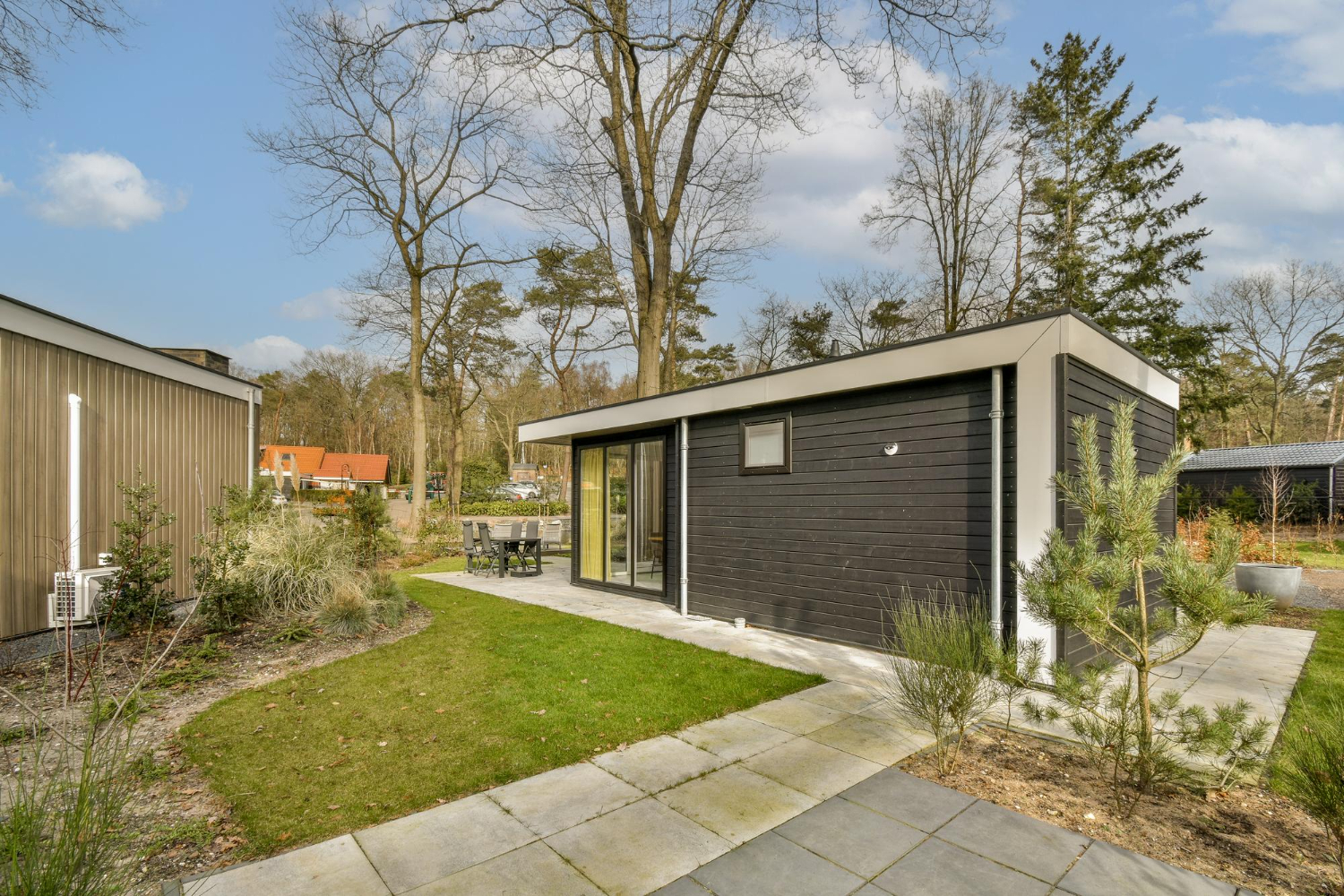
A DADU, or detached accessory dwelling unit, is a standalone small house in your backyard, separate from your main home. In the DADU vs. ADU conversation, think of the DADU as one specific type of ADU that happens to be detached. It functions like a compact, fully independent home, often with its own patio, yard area, and private entry.
Because a DADU is separate from the main house, it offers strong advantages in privacy and design freedom. You are not trying to work around existing walls or a low basement ceiling, so you can plan a thoughtful layout that fits how someone will actually live there. That usually means better sound separation, more opportunities for natural light on multiple sides, and the ability to carve out outdoor spaces specifically for the DADU, like a small deck or garden.
On the technical side, a DADU is a from-the-ground-up structure, so it needs its own foundation and structural system. Utilities must be extended from the main house or from the street, which can involve trenching for sewer, water, power, and data. Access for residents and emergency services needs to be clear and safe, and fire separation between the DADU and other buildings must meet code. In Tacoma, lot shape, slopes, and existing trees can all influence where a DADU can sit and how big it can be.
Zoning rules set real boundaries around height, square footage, and placement. Many lots can support only a DADU up to a certain size or height, and required setbacks may limit where it fits. As a design-build contractor focused on small residential structures, we spend a lot of time aligning early DADU concepts with these constraints so owners are not surprised later in permitting.
When it comes to value, a well-designed backyard cottage can be a strong long-term asset. It can appeal to quality long-term tenants, provide a flexible home for aging parents, adult children, or a caregiver, and even serve as a dedicated home office or creative studio. Because it is independent from the main house, it tends to be attractive in resale conversations with buyers who want ready-made income or multigenerational options.
Attached ADUs and Garage Conversions Compared
Attached ADUs are built into or directly onto the main house. That might mean a new bump-out addition on the side or rear, a unit stacked above an attached garage, or a finished basement with its own entrance. Compared with a DADU, an attached ADU usually shares noise, systems, and at least one wall with the main house, which changes privacy levels and design options.
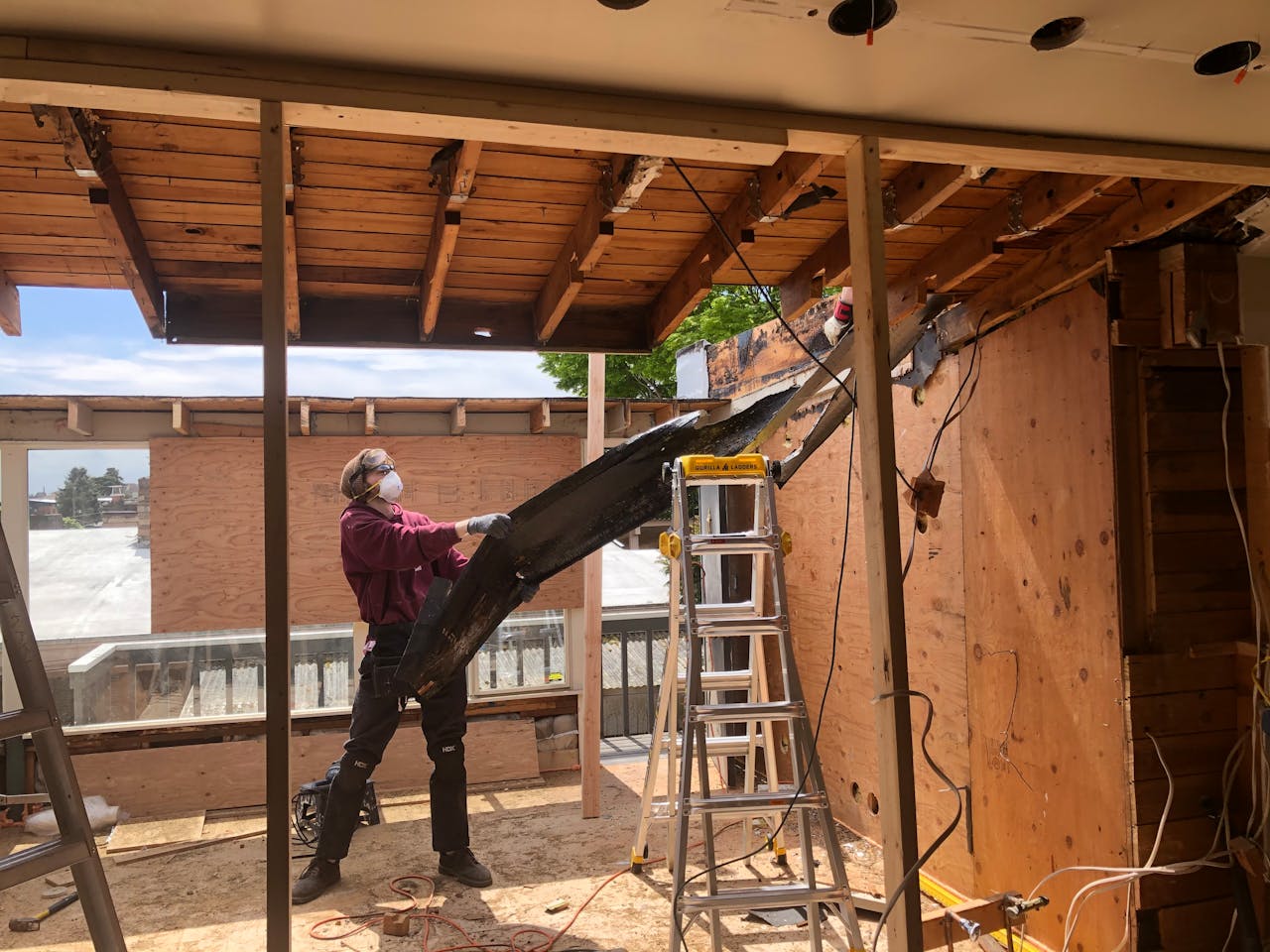
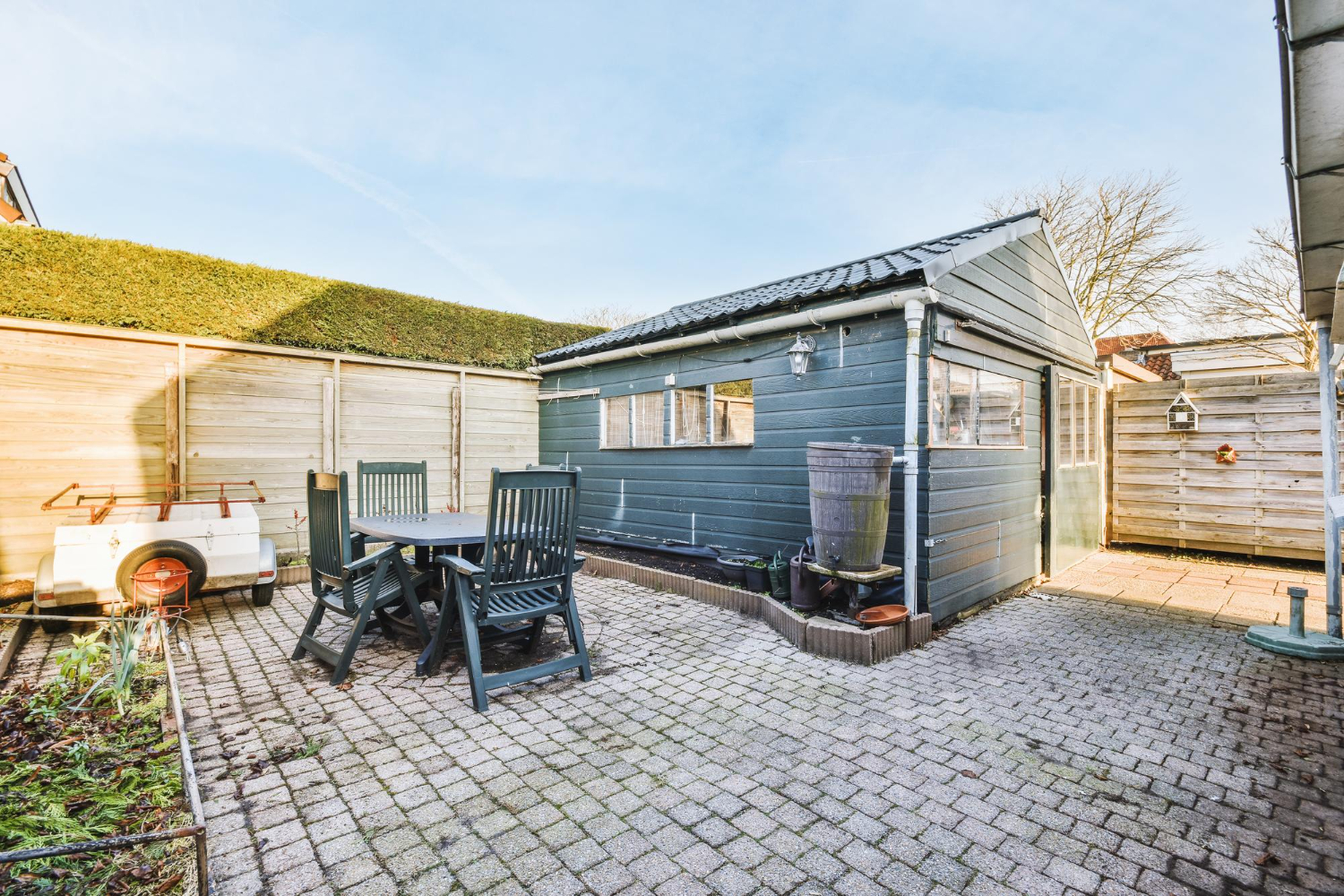
Garage conversions are a specific form of ADU that turn an existing garage into a dwelling. This can be an attached garage that becomes a studio or one-bedroom, or a detached garage in the back that is upgraded into a small home. The existing structure sets limits, including ceiling height, slab condition, wall framing, and how entry and windows can be arranged.
Attached ADUs have clear advantages in some situations. They can be less expensive to build because the roof, some walls, and utilities are already there. Site work is often simpler, especially on smaller lots where there is not much room for a standalone DADU. Connections to plumbing, electrical, and heating are usually shorter and more direct.
Garage conversions can offer both pros and cons. Some key positives include:
- Reusing an existing structure
- Potentially faster build times once design and permits are in place
- Lower site impact compared with new foundations
- Preserving yard space for play or gardening
On the other hand, they come with tradeoffs:
- Loss of enclosed parking or storage space
- Need for structural upgrades to meet residential standards
- Moisture, insulation, and comfort issues in old slabs or walls
- Layout compromises because you are stuck with the existing footprint
Garage ADUs also run into their own code issues. Requirements for egress windows, fire separation from any remaining garage space, insulation levels, and even seismic upgrades can all add cost. It is common for projects that looked cheaper on paper to climb once an engineer and building official see what is really needed to meet housing standards.
DADU vs. ADU vs. Garage Conversion, Costs, Timelines, and Use Cases
When people say DADU vs. ADU, the real decision is usually DADU versus attached ADU versus garage conversion. All three are ADUs; they just take different forms.
Costs are driven less by the label and more by what the project actually needs. New DADUs require foundations, framing, siding, roofing, and full utility runs. Attached ADUs often spend more on structural work at the connection to the existing house and on soundproofing shared walls. Garage conversions can save on framing and roofing, but structural repairs, waterproofing an old slab, raising floors for insulation, and bringing everything to residential standards can offset that.
Some common cost drivers include:
- Site work and access for equipment
- Utility capacity and distance to connect
- Required structural or seismic upgrades
- Level of interior finishes and built-ins
- Extra requirements in sensitive or historic areas
Timelines vary as well. Design and permitting can take a significant portion of the overall schedule, especially for new DADUs or projects in more regulated neighborhoods. Once construction begins, a from-the-ground-up DADU generally takes longer than an internal ADU or a simpler garage conversion, but complex conversions can be just as involved. Weather, material availability, and site access all play a role.
Functionally, each option tends to fit different homeowner goals:
- To maximize rental income and privacy, a DADU often stands out
- To add living space for family on a tight lot, an attached ADU is common
- To stretch a smaller budget while still adding a second unit, a garage conversion can make sense
Long term, a DADU usually offers strong flexibility, since it can remain a separate home regardless of how the main house is used. Attached ADUs and garage conversions can sometimes be partially converted back to main-house space, but that can undercut their value as independent units. Maintenance is typically similar to any other small home, though older converted garages may need more attention over time.
How Tacoma Rules Shape Your ADU Choices
Local Tacoma rules have a big effect on which ADU type makes the most sense for a given property. Zoning districts set what is allowed at all, and design standards can influence roof shapes, window placement, or street-facing appearance. Lot coverage limits may cap the total building area on the lot, which can make a compact attached ADU or garage conversion more feasible than a large DADU.
Parking rules, alley access, and height planes are often deciding factors. Some lots can tuck a DADU near an alley with its own entry, while others have no practical backyard access for a detached unit. In some cases, converting an existing garage is allowed but adding a new detached structure is not, and in others, the reverse is true.
Utility and infrastructure realities matter too. Sewer lines that run through the backyard can simplify a DADU connection, while a line at the front of the house may favor an attached ADU. Electrical capacity at the main panel, stormwater requirements, and soil conditions can all tilt the equation one way or another. Because we work specifically with small residential structures in Tacoma, we pay close attention to these details early in planning so owners are not surprised later by utility or site costs.
Plan Your Ideal Backyard Home with Confidence
The key takeaway is that DADUs, attached ADUs, and garage conversions all fall under the broader ADU umbrella, but they behave very differently in real life. A DADU is a true backyard home with the most privacy and design flexibility. Attached ADUs and garage conversions integrate with what you already have, which can reduce costs and fit better on small or constrained lots, at the expense of some independence and layout freedom.
When you understand the real DADU vs. ADU question, plus where garage conversions fit in, it becomes easier to match the build type to your lot, budget, and long-term plans. The most helpful next step is to clarify your primary goal: steady rental income, space for family, long-term resale value, or a lifestyle upgrade like a dedicated studio or office. From there, assessing your specific zoning, utilities, and site features will show which kind of ADU is not only allowed, but also the best long-term fit for your Tacoma property.
Get Started With Your Project Today
If you are weighing your options and want clarity on Dadu vs. Adu, we are here to walk you through every step. At Tacoma DADU, we listen to your goals, your lot constraints, and your budget so we can recommend the right path. Reach out to our team today so we can help you turn your property into a more flexible, valuable space.