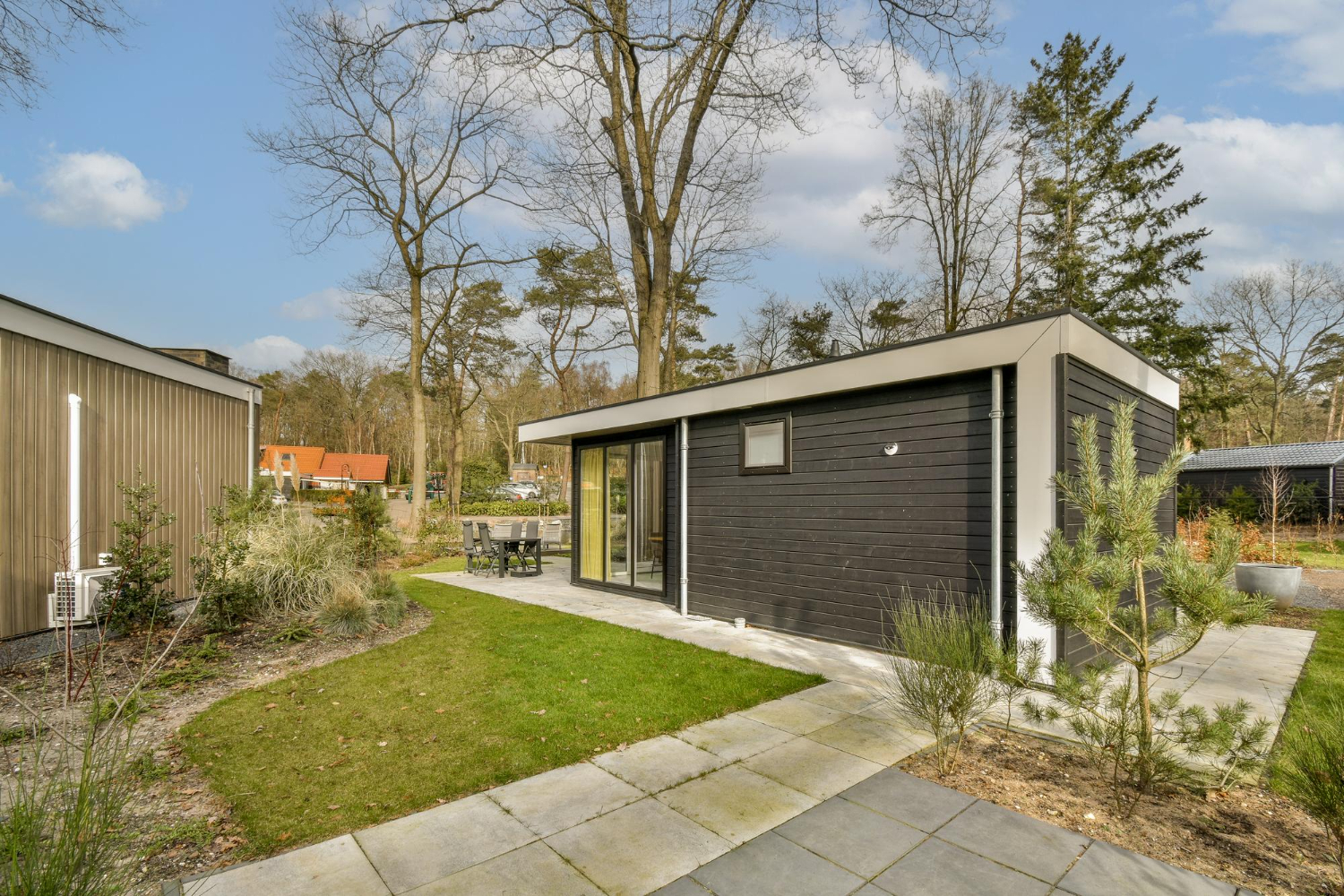
Getting your yard ready for detached accessory dwelling unit construction is one of the first and most helpful things you can do before the building begins. It sets the pace for the whole project. If a yard is prepped the right way, it creates fewer surprises later on and keeps the build moving forward.
In a city like Tacoma, lot shapes, slopes, and older infrastructure can all come into play. Add in winter rain and chilly weather, and it’s clear that planning ahead really matters. No matter what kind of ADU you’re planning, the yard must be ready to support it. From reviewing rules to clearing land, here are the key areas to think through before construction crews arrive.
Check Local Rules Before Doing Anything Else
Before breaking ground or prepping the yard, we always start by reviewing Tacoma’s zoning and permit rules. Each lot has its own requirements based on its zoning, nearby structures, and what already exists on the property.
Some lots need more space between the main home and the new ADU. Others might have restrictions related to size, location, or parking access. If your backyard tapers or borders alleyways, that can also affect where you’re allowed to build.
There are a few areas that often need an extra look:
- Setbacks, which are the minimum distances required between the new structure and the edge of the property
- Utility easements, where existing lines run underground and can’t be built over
- Lot coverage limits, which cap how much of the lot you can cover with buildings
Getting a clear picture of all requirements early on keeps you from wasting time on plans that won’t get approved. Before yard work begins, it helps to have all the paperwork sorted and reviewed.
Clear and Level the Area Where the ADU Will Go
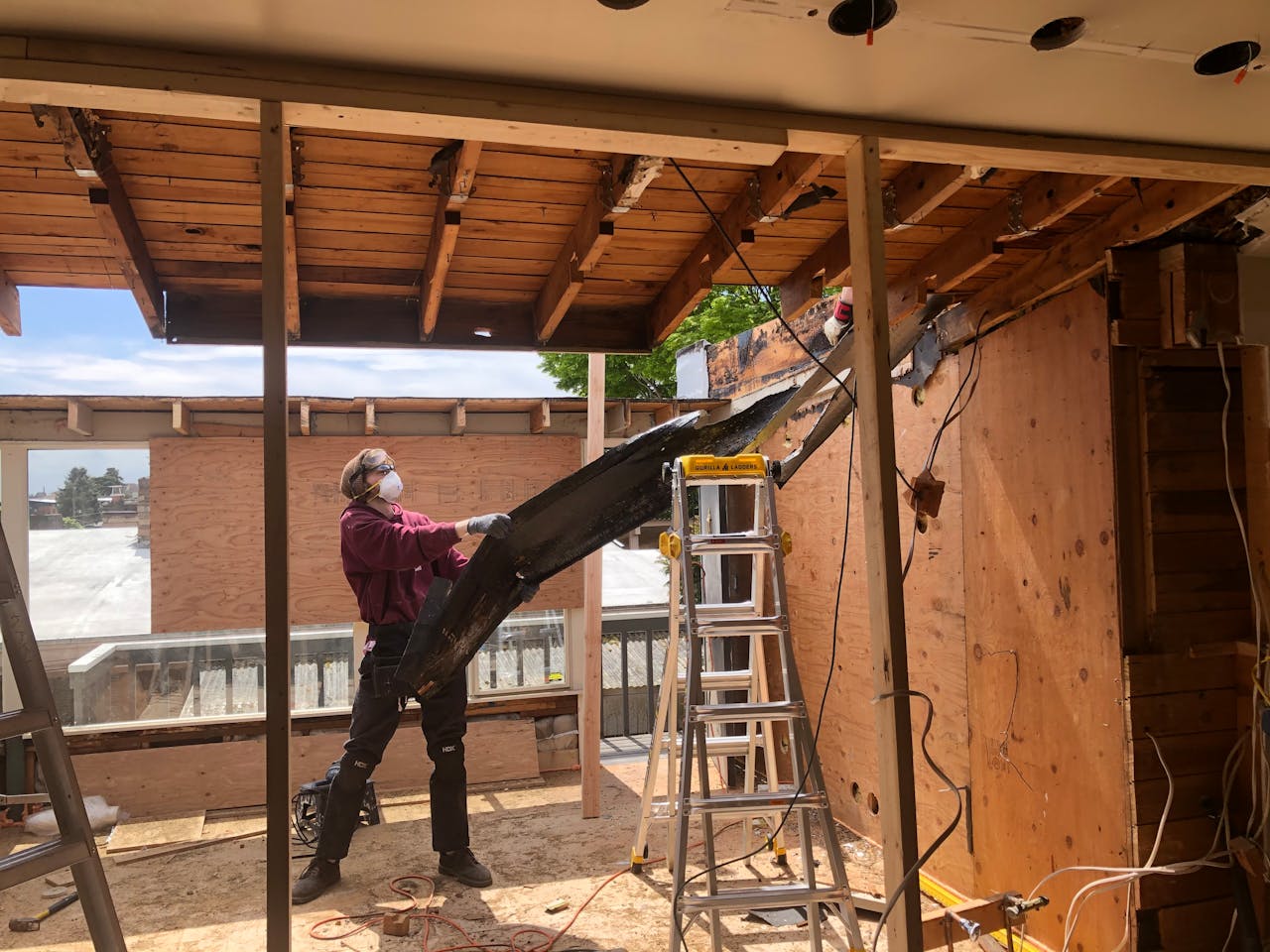
Once the rules and plans are lined up, yard prep can start. Most yards need at least some clearing before construction. It isn’t just about moving grass or trimming bushes either. Trees, old sheds, buried debris, and uneven patches can all add delays if they’re left too long.
Building a new unit often means clearing space for trucks and soil movement. If the lot has lots of brush, raised garden beds, or older concrete footings, those will need to be removed. And if the ground isn’t level? That can bring more work. Sloped or sunken ground might need to be reshaped or filled so the ADU can sit flat and stable. Our standard build packages include site preparation and restoration, so grading and cleanup are typically coordinated as part of the overall project rather than handled separately.
Here’s a quick checklist we use when thinking through clearing and leveling:
- Remove any large plants, structures, or hidden debris that may block equipment
- Inspect tree roots and soil moisture levels to spot problem areas
- Decide if the land needs grading before the foundation is poured
This part of the process sounds simple but makes a big difference when it’s done ahead of time.
Review Utility Connections and Access Points
Any detached accessory dwelling unit construction will involve hooking up to city services like water, sewer, electricity, and communication lines. It’s all part of making the new unit livable, but getting those connections reviewed early smooths out a big part of the job.
We start by looking at how easy it is to reach existing utility lines from the planned ADU location. If the current layout is tight or those lines lie deep underground, that could change where the building can go. Some homes built before the 1980s might have older infrastructure, and those systems may need an upgrade to support the new unit.
Yard access is another factor. Driveways, fences, or narrow gates can limit what trucks and crews can physically reach. On our projects, all utility connections inside the DADU are included in the build, while exterior underground sewer, water, and electric runs are priced separately based on the specifics of each lot.
Things we check early include:
- Whether the sewer line has enough slope to drain properly from the new unit
- Where the main water line enters the property and whether it will need to be split
- If the ADU placement offers easy access for trenching or service equipment
Making space for new lines ahead of time helps avoid rescheduling or budget changes later in the project.
Prep for Winter Construction Conditions in Tacoma
By mid-December, Tacoma’s weather can be chilly and very wet. That makes yard prep especially important in the weeks ahead of construction. Rain often turns soil soft, and that can lead to water pooling or sinking ground if not handled before work begins.
We recommend taking steps to guard against slowdowns from the weather. Even basic yard conditions like mud or poor drainage can make it hard to work safely or pour a good foundation.
A few things we consider for cold-weather prep:
- Set up temporary drainage areas to keep standing water away from the pad
- Avoid digging too close to driveways or pavement before rain events
- Put down ground barriers if trucks or equipment will drive over soft soil
The goal with winter prep isn’t to control the weather, just to keep progress moving when storms hit.
Think About the Impact on the Main Home and Yard Use
Backyard construction doesn’t happen in a vacuum. It bumps up against everyday routines almost right away. One of the easiest ways to avoid frustration during a build is to map out how the rest of the property will work while the yard is being used.
Walkways, decks, driveways, and even pet areas might shift during construction. Tools and materials take up space, and crews need room to move.
We always look at things like:
- Where heavy equipment will park or move through during the day
- How homeowners will get to the main entrance while the yard is in use
- Whether pets need a new area to stay safe and dry if fences come down
Thinking through those details early keeps life at home more manageable while everything is in progress.
Set Your ADU Project Up for Success
Getting the yard in shape before construction starts helps projects run smoother from beginning to end. There are always things we can’t control, but early planning gives us the best shot at avoiding hold-ups.
Having a clear understanding of city rules, a clean and level workspace, and some weather protection built into the plan gives you a strong foundation before building even begins. We have been building homes in the Puget Sound area for over 40 years and offer a turnkey path from design and permitting through final construction, which can help keep all of these preparation steps aligned with the build itself. That way, when the day comes to start your detached accessory dwelling unit construction, the focus can stay exactly where it should be, on building.
Planning your project can become clearer when you see how other layouts work in real Tacoma backyards. Our Baker model layout offers a practical example of balancing livability with yard space, especially when factoring in site access and weather. It is one of several examples that help homeowners understand how placement, design, and access all connect during detached accessory dwelling unit construction. At Tacoma DADU, we are here to help you think through that big picture from the very start. Contact us to talk through options that make sense for your space.